Innovation, sustainability, and efficiency are driving change, transforming the way homes are built across the world.
Innovative Materials on the Rise
New technologies are introducing exciting materials that redefine construction possibilities. 3D-printed concrete allows builders to create durable homes faster and at lower costs. Recycled plastic bricks are emerging as eco-friendly solutions that reduce waste and provide strong alternatives to traditional blocks. Solar-integrated roofing materials combine energy generation with protection, making homes smarter and greener.
Emphasis on Local and Natural Resources In many parts of Africa and beyond, builders are turning to local materials such as bamboo, clay, stone, and thatch. These resources are not only cost-effective but also culturally relevant and environmentally sustainable. For instance, bamboo’s strength rivals steel when properly treated, making it ideal for affordable housing.
Lightweight and Prefabricated Options
Lightweight steel frames, gypsum boards, and prefabricated panels are revolutionizing the construction industry by cutting down building time while maintaining strength and flexibility. Prefabrication also ensures less waste and precise use of resources.
Why Sustainability is the Future
As climate concerns grow, homeowners and developers alike are paying closer attention to carbon footprints. Choosing materials that are recyclable, energy-efficient, and long-lasting is no longer just a trend — it’s becoming standard practice. Governments and housing agencies are also supporting eco-friendly construction with policies and incentives. The future of building materials lies in innovation that meets three key demands: affordability, resilience, and sustainability. Homes of tomorrow will not only provide shelter but will also contribute to a healthier planet.
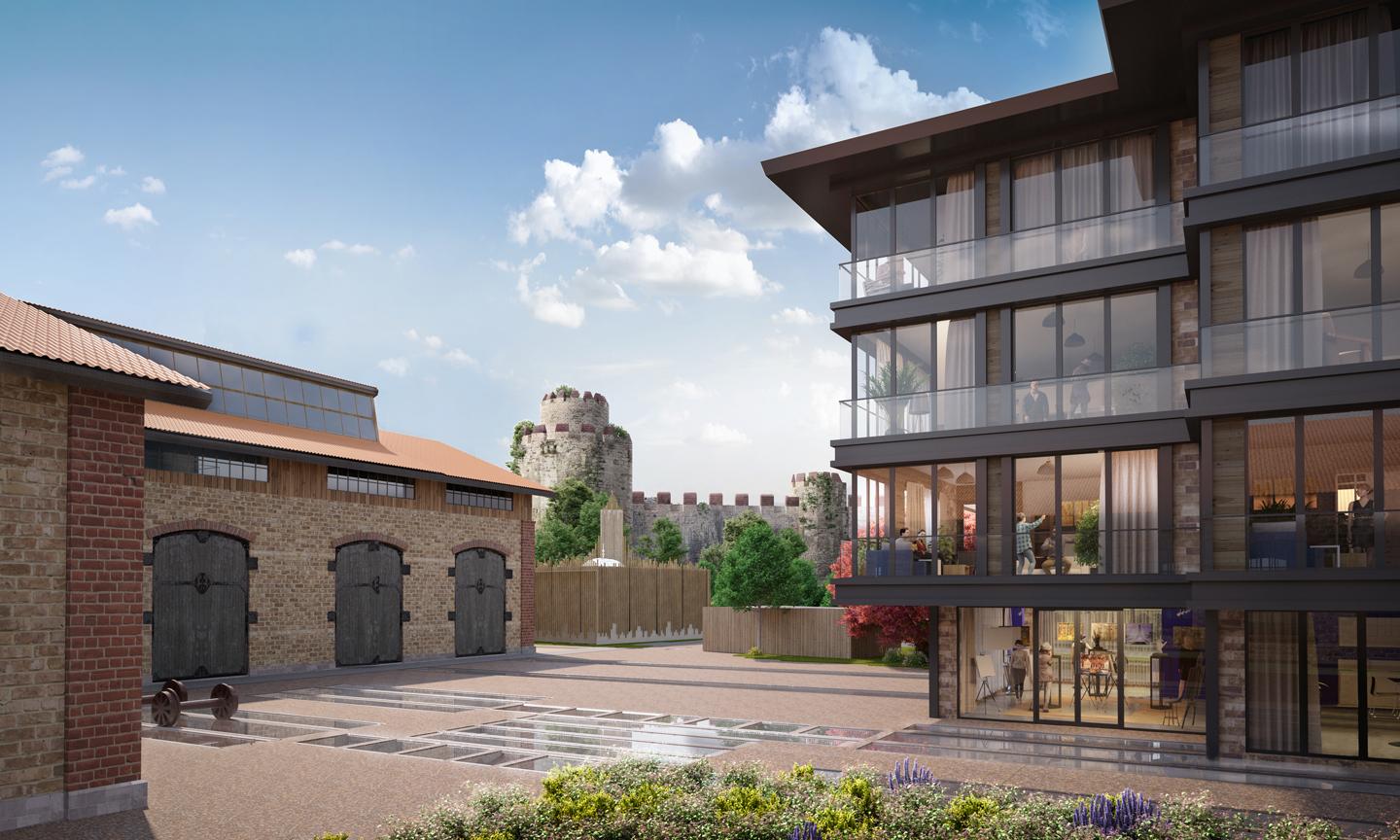
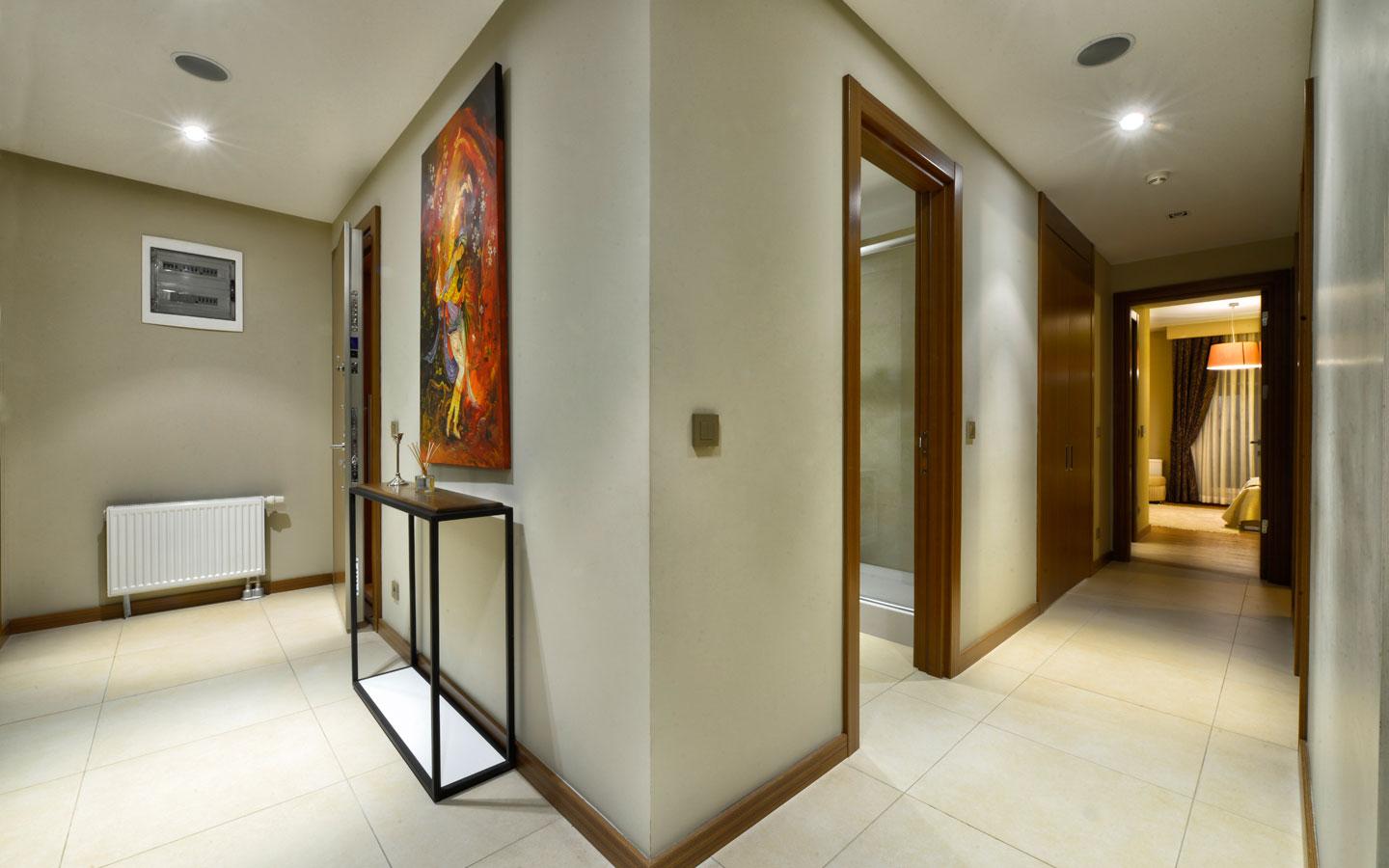
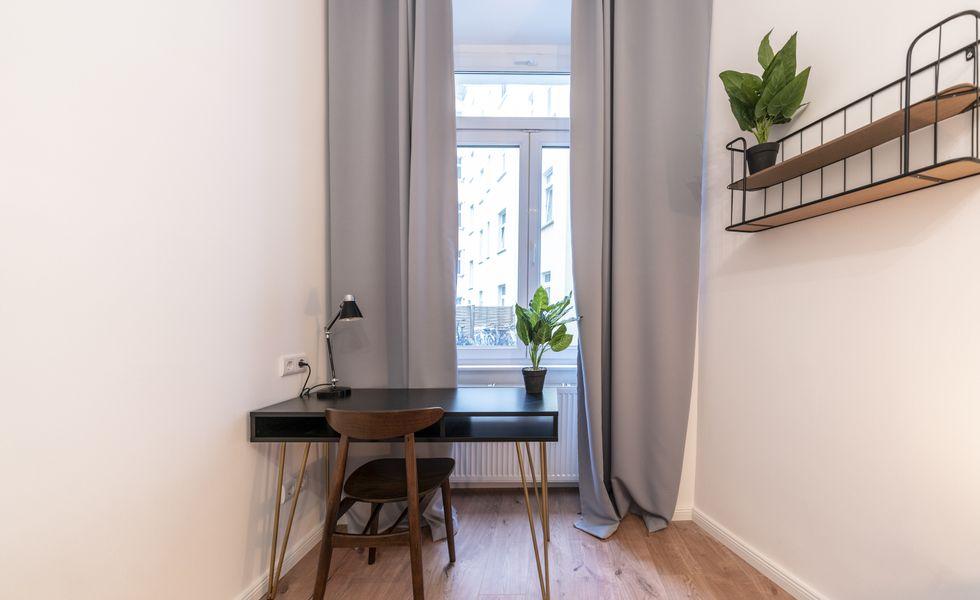
House designs are rapidly changing to reflect the lifestyles and aspirations of modern homeowners. Beyond just providing shelter, homes are now seen as spaces


 The Future of House Designs: Blending Innovation and Comfort
 Secure Your Future in Land-Banking and Agri-Business with PE Group’s Cocoa Plantation Project in Ghana
 Nigeria’s Real Estate Sector Overtakes Oil as Third-Largest GDP Contributor
 Modern House Architecture: Blending Functionality with Aesthetics
 The Future of Building Materials: Innovation and Sustainability